Industrial Reuse and Shop Building in Gillette, Wyoming
Gillette owners ask us to build for hard use: shops that take loaded equipment, yards that see heavy trucks every day, and buildings on land that used to belong to a mine. We manage the pads, foundations and slabs those buildings depend on, and we coordinate steel and metal buildings sized for overhead cranes and wide doors. If the question is how to turn Powder River Basin ground into a working facility, we start with the soil and the loads.
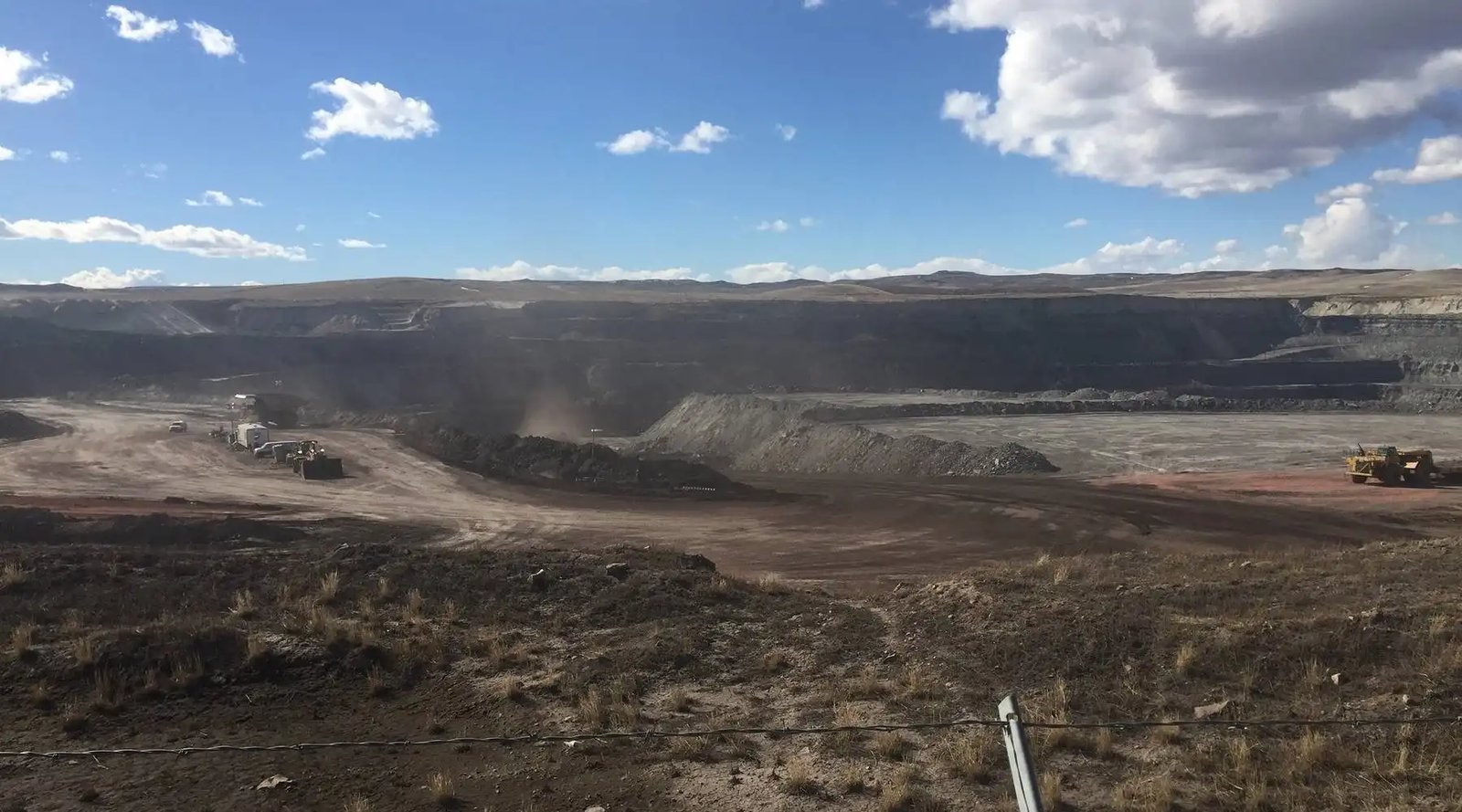
The area is changing, and the change is creating real building work. Campbell County commissioners approved carving out nearly 1,500 acres of Arch Resources' Coal Creek mine, about 30 miles southeast of Gillette near Wright, and rezoning it heavy industrial, keeping the coal tipple, rail lines and buildings in place for future tenants. For an industrial user, existing rail and structures can save money, and they can also hide cost. We inspect what is there before we price what is new.
Closer to town, Atlas Carbon operates at the former Fort Union mine a few miles north of Gillette. The site became an industrial park about a decade before 2024 and also hosts the 5,500 square foot Wyoming Innovation Center, which researches non-burning uses of Powder River Basin coal. A small lab and process building is a different animal from a mine shop, and we are comfortable with both.
Building on former mine ground
Reclaimed and disturbed ground needs more investigation than virgin ground. Before we set a footing we want boring logs, an understanding of any fill, and clarity on who owns what below the surface. Settlement, drainage and old utility corridors have to be mapped. The cost of finding these things in preconstruction is small compared with finding them after the slab is poured.
Where an owner takes over a coal tipple, rail line or office buildings, we bring in a structural engineer and walk the assets with you. Some will earn their keep and some will need demolition work. We price both paths, so the decision to reuse or replace rests on dollars and on what the building has to do.
What we build in and around Gillette
Our Gillette scope runs from sitework to turnover: grading, utilities, foundations, steel and metal buildings, overhead crane systems, interiors, and the mechanical and electrical trades behind them. A typical project is a shop with offices, a parts room, drive-through bays and a fenced yard. We design the slab around the heaviest axle load, the trench drains around the wash-down practice and the doors around the biggest piece of equipment.
For a manufacturing plant or process building, we build the shell and slab, set embeds for equipment and coordinate commissioning with your engineers. We also deliver crane buildings with runway beams and column design matched to the hoist you plan to buy.
Pads, slabs and steel we manage closely
Gillette's average annual snowfall is 55.7 inches, and the area has very cold winters (USDA hardiness zone 5a). Those facts shape how we manage concrete: heated enclosures, insulated forms and weather monitoring are part of the work plan. We schedule and inspect heavy slab placement and finishing, and we cure them long enough to take equipment traffic before the shop goes into service.
We also run the earthwork on large pads. A mass grading package on a large yard has its own sequencing: topsoil handling, compaction testing and drainage first, then utilities, then base and paving. We track compaction and moisture daily, because clay soils can be moisture sensitive.
Schedules for a drive-in market
Gillette sits at 4,554 feet on I-90 with US 14, US 16 and Wyoming Highways 50, 51 and 59 feeding the city. Northeast Wyoming Regional Airport, about five miles northwest of town, has United service with six daily flights. Those links decide how we mobilize. We schedule heavy deliveries along I-90, keep a staged supply of steel and rebar at the site, and use local labor when it is available.
Short seasons are normal here. We plan the shell for completion before December where we can, and we write winter work into the contract instead of hoping for a mild stretch. If a steel delivery is late, we rearrange the work front rather than have crews standing idle. We also travel to Wright and Sheridan when the work calls for it.
Safety near heavy industry
Many Gillette jobs share a boundary with active industrial operations. The Black Thunder mine in Campbell County produces roughly 25 percent of U.S. thermal coal, and combined Black Thunder and Coal Creek output peaked in 2014 at 110.4 million tons. Arch announced in 2020 plans to shut down Coal Creek and Black Thunder. Owners and tenants in that landscape are used to strict site safety, and we match it.
We submit site-specific safety plans, orient every worker before they start and keep hazard communication current for the materials on site. When our work runs next to an operating mine facility or rail, we coordinate access, hot work and lifting with their safety staff. Manufacturing owners and commercial developers in this market expect that discipline.
Build in Gillette
Send us the site, the equipment list and the date you want to be operating. We will come out, check the ground, price the shell and slab, and put the winter in the schedule.
Questions Owners Ask
Can an old mine building be reused for a new tenant?
Sometimes. The tipple, rail and shop buildings at the Coal Creek site were kept in place for future tenants, but each building needs a structural review, a hazardous materials survey and a code review for its new use. We walk the assets with your engineer and give you a repair cost against a replacement cost.
What foundation problems should I expect near Gillette?
Disturbed or filled ground is the main issue near mine sites. Moisture-sensitive clays and old fill can settle under heavy slabs. We recommend borings across the pad, and we design slab thickness and subgrade preparation to the loads. Frost depth for your exact location is set by the local building department.
How do you price winter work in Gillette?
With the climate in view: 55.7 inches of average snowfall and very cold winters mean temporary heat, protection and slower productivity are line items. We show them separately so you can decide whether to start in spring or push through winter.
Do you build small research or process buildings?
Yes. A small research building like the 5,500 square foot Wyoming Innovation Center is a different mechanical and electrical problem from a shop, and we coordinate the lab-grade utilities, ventilation and finishes with the design team.
How far will you travel from Gillette?
We work in Wright, Sheridan and Buffalo, and we price mobilization and lodging openly. Distance changes the schedule, so we station a superintendent where the work is.