Data Center Construction in Wyoming
More than 1,000 skilled trade jobs at peak construction is what Meta projected for its data center south of Cheyenne, and that single number says what a hyperscale build does to a small labor market. Electricians, pipefitters, concrete finishers and equipment operators all get pulled toward the same site. If you are planning a data center in Wyoming, labor is a design input as much as power is.
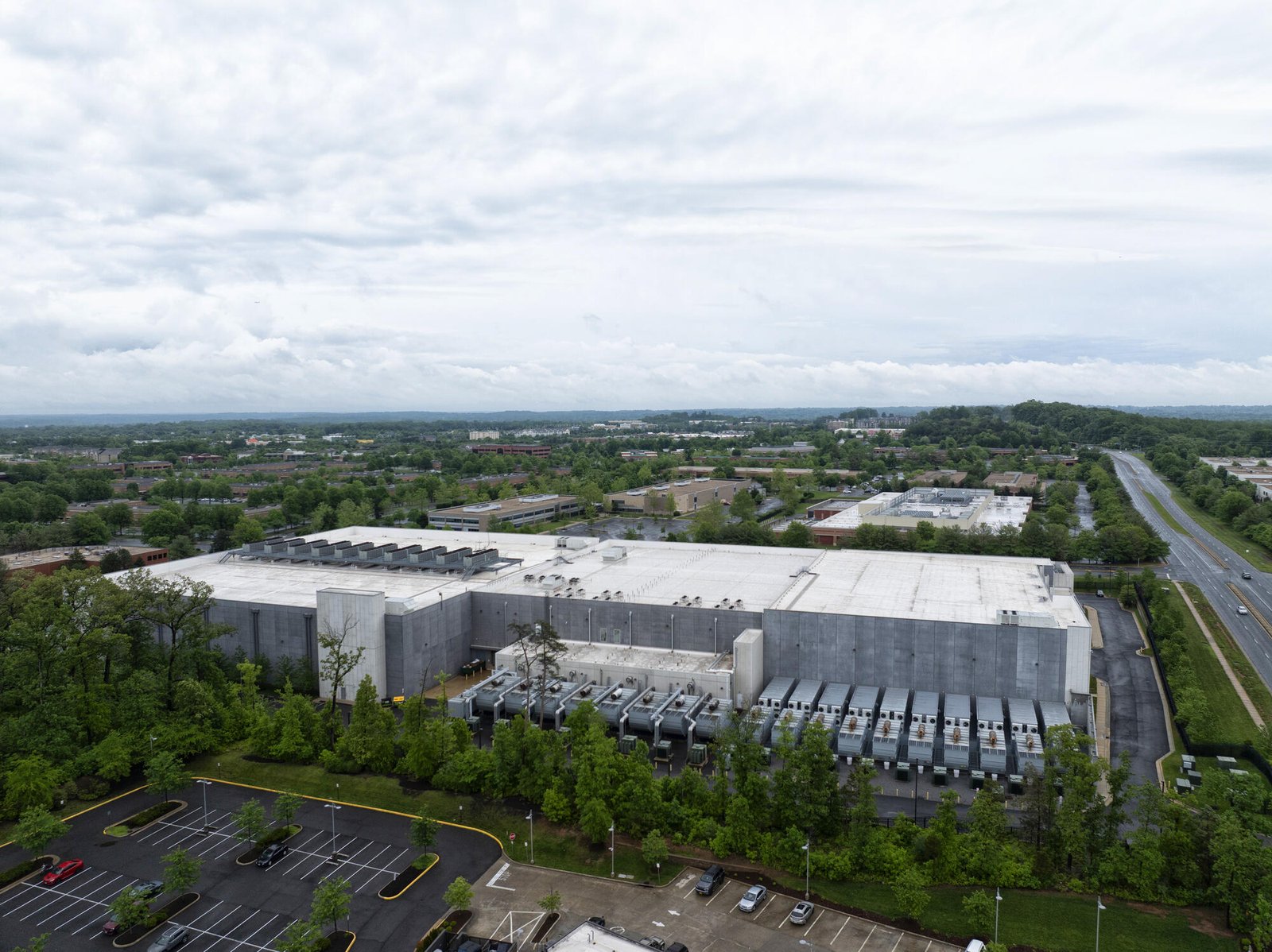
The state draws data center owners for good reasons: cool air that helps with cooling loads, open land, and utility corridors built for heavy industry. It also brings wind, deep frost and long distances between the job and the nearest specialty supplier. Our data center construction practice plans for all of that. We build the civil work, the shell, the slab-on-grade and the support buildings, and we coordinate with the electrical and mechanical teams who carry the critical systems.
We are not the only team on a campus, and we do not pretend to be. Our job is to give the owner a ready site, a durable building and a schedule that holds when the weather turns.
What is already moving in the state
Meta announced an $800 million, 715,000 square foot data center in south Cheyenne on July 2, 2024, on 960 acres in the High Plains Business Park along South Greeley Highway, with about 100 permanent jobs and an opening scheduled by 2027. Cheyenne LEADS delivered infrastructure to the 1,100-acre park between April 2024 and December 2025: two sanitary sewer mains, one water main, a new 4.5-mile road and a traffic signal on US 85, in seven bid packages, all privately funded by Meta.
Its CEO has said data center companies in Cheyenne have collectively invested $3.1 billion from 2012 onward. Out west, Uinta County commissioners approved Prometheus Hyperscale's 1.25 gigawatt data center on 506 acres about 12 miles east of Evanston, south of I-80, with mostly natural gas power. The company estimates a $16 billion investment, and as of late August 2026 construction had not begun. We watch these projects because they set the pace for labor, concrete and equipment all around them.
Where a general contractor earns its place
The owner's design team and the electrical and mechanical contractors carry the critical systems. We carry the ground, the foundations, the envelope and the schedule that holds everything together. That begins with the site: mass grading, drainage, utilities and roads in the order the campus needs them. A hyperscale site can need years of phased work, so we plan haul routes, laydown space and temporary power in stages.
We also manage the interfaces. Generator pads, switchgear yards, cooling plant foundations and equipment galleries all have tolerances that the electrical team cares about, and a slab out of flat by a small amount can cause trouble later. We hold pre-pour meetings with every trade that touches the concrete. Our construction management at risk service gives owners cost control while the design is still being finished, which fits the way these projects move.
Schedule risks specific to this region
The Prometheus approval shows how long approval and construction can run. Its county permit carries about 30 conditions, a judge dismissed a legal challenge on August 17, 2026, and construction is expected to start within six months of final permitting and take four to five years. A project of that length crosses many winters. We schedule enclosed work for the cold months and keep exterior concrete to the shoulder seasons.
Long-lead gear sets the real critical path: switchgear, transformers, generators and chillers can take many months to arrive. We help owners place early orders for civil and structural materials so those items are never the cause of delay. A trucking route that crosses county roads in spring thaw can shut down, so we study routes for heavy loads early and file the oversize permits well ahead of time.
Large crews, tight sites and live utilities
When hundreds of workers share a site, safety becomes a logistics problem. We lay out one-way haul routes, separate pedestrian paths from equipment lanes, and brief each new crew at the gate. High winds are common in this part of the world, so we set wind limits for crane picks and tilt-up lifts and stop work when they are reached. Cold-weather concrete and winter excavation get written plans.
Code review matters too. Wyoming has no single statewide code, and local departments adopt the state's 2024 code family on their own timelines. A campus that spans a county and a city can answer to more than one reviewer. We confirm which authority has jurisdiction over each building and keep the permit path clear. A permitting and entitlements specialist on our side keeps the paperwork moving.
Buildings that sit beside the data hall
A campus needs more than a data hall. Operations buildings, warehouses for spares, security gatehouses and maintenance shops all go up alongside. Many of them are simple steel buildings, and our pre-engineered metal building work fits them well. A government building or utility office nearby may fall under public bidding rules, which we cover in government and municipal construction.
Developers and land owners who want to prepare a site for a future data center tenant should also look at our commercial real estate developer page. Getting water, sewer, power and a road to the property line before a tenant arrives can make the difference between a shortlist and a signed lease. We can price that work in phases so the cost follows the demand.
Talk through your campus
Share the acreage, the utility plan and the target date. We will report what the labor market, the weather and the haul mean for your schedule. One phone call opens the conversation.
Questions Owners Ask
Can a Wyoming site handle a data center's utility needs?
It depends on the corridor. Cheyenne has a record of data center investment, and its business park was built with sewer, water, road and traffic signal improvements. Sites farther out, like the Uinta County location east of Evanston, plan mostly natural gas power. We help owners test a site against the real utility capacity before they commit.
How does wind affect data center construction?
It affects crane picks, tilt-up lifts and roof work, and it shapes the design loads of the buildings. Design wind speeds are set locally. Evanston's sheet lists 100 mph in the developed city and 110 mph on the benches, while Laramie County lists 105 mph. We use the local number and set work limits for the crew.
Will a large project strain the local labor market?
Almost certainly. Meta's Cheyenne project projected more than 1,000 skilled trade jobs at peak, and several large projects can run at once. We plan crew housing, travel and early hiring, and we price the competition for labor in our budget.
Do you build the data hall itself?
We build the civil work, foundations, structure and envelope, and we coordinate closely with the electrical and mechanical teams who deliver the critical systems. The owner decides how responsibility is split. We are clear about where our scope ends.
What if the permitting drags on?
We hold a flexible start date and keep preconstruction work, like pricing, procurement planning and design coordination, moving. The Prometheus project shows how permit conditions and legal review can take months. A good plan keeps the team ready without spending construction money too early.