Construction for Retail Chains in Wyoming
A store in Cody and a store in Gillette can share a prototype and still need different sites. One sits at about 5,066 feet. The other sits at 4,554. The wind, the snow, the utilities and the nearest inspector all change from one to the next. A retail chain that rolls out a standard box across Wyoming needs a builder who takes the standard seriously and adjusts the footings, the roof and the schedule for each town.
We build and fit out stores for regional and national operators, from pad-site buildings and shell conversions to in-line suites. Your real estate group has a prototype, a vendor list and a grand-opening date. Our job is to deliver the keys by that date, with the receiving door where the delivery truck can use it and the storefront where the wind will not tear it off.
Distance is the part of Wyoming that a prototype cannot see. Crews drive hours between sites, and a missing part can cost a day. We solve that with a travel plan, not an excuse.
Store types and what we build for each
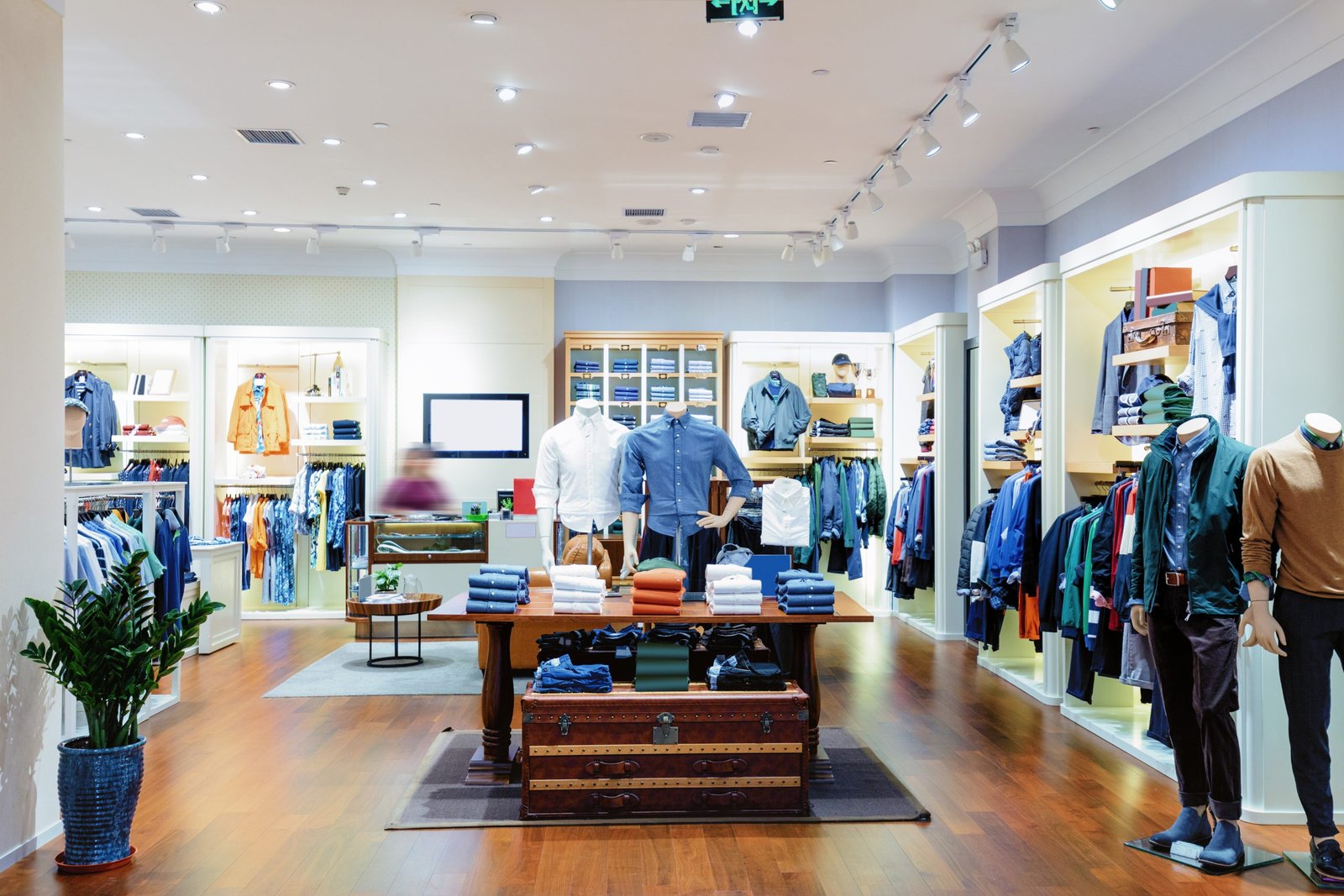
We build freestanding pad stores, in-line retail within a center, quick-service and full-service restaurants, convenience and fuel-adjacent buildings and small grocery formats. Work includes site grading, utilities, foundations, framing or steel, roof, storefront glazing, interior finishes, fixture coordination and parking lots. We also take on remodels when a chain refreshes its look or converts an existing building to a new brand.
Most chains have a vendor standard for refrigeration, signage, shelving and point-of-sale. We schedule those vendors, protect their deliveries and make sure the building is ready to receive them. Restaurant construction adds grease interceptors, hood systems and kitchen ventilation that need coordination with the local fire official early. For new developments, see retail shopping center construction.
A rollout calendar that respects the season
Retail dates are hard dates. A holiday opening cannot slide into January, and a summer season cannot start in August. We work back from the grand opening and mark every dependency: permits, utility connections, long-lead storefront and refrigeration packages, interior inspections and fixture installation. When weather puts a pour at risk, we say so months before it happens.
Concrete and paving are the most sensitive trades. Parking lots want dry, warm days, so a lot that is not paved by fall may have to wait for spring. We protect an opening by sequencing: if the lot cannot be finished, we provide a temporary surface that meets the building department and the fire marshal, and complete the final paving the next season. Store managers can open, and your capital team does not lose the quarter.
Prototype first, then the site
We begin with your prototype drawings and a site visit. From the prototype we build a base estimate. From the site visit we add what the prototype does not know: frost depth, snow load, wind speed, soil, utilities and access. In Cheyenne, for example, the surrounding county lists a 32 lb/ft2 ground snow load and a 36 inch frost line. Those values go into a site-adapted price that your team can compare against other markets.
Because we build several stores for the same operator, we keep what we learn. Details that cost money on the first store, such as a drive-through queue, a trash enclosure location or a roof drain, get solved once. That is the idea behind programmatic multi-site rollouts, and it is where a chain saves time as it expands.
Why chains choose these corridors
Retail follows traffic. Cheyenne is served by I-25, I-80, US 30, US 85 and US 87, and that mix of routes is the first thing a site selector checks. Rock Springs sits on I-80 with Union Pacific freight service at 6,388 feet of elevation, which matters for wind and snow on a storefront. Cody's largest employment sectors include health care and social assistance at about 972 people and retail trade at about 845, with tourism driven by Yellowstone traffic.
Sundance on I-90 shows a different pattern. Devils Tower National Monument receives about 400,000 visitors a year, and roadside retail and food service there depend on a short, busy season. A building has to open before it. We treat that as a construction schedule, not as a marketing point, and plan the work in the quiet months.
Where we travel for retail work
We build in every corner of Wyoming. Crews stage from the nearest town with lodging and supply, and we price the drive. A rollout that includes Cheyenne, Casper, Gillette and Sheridan is a different logistics problem from one that includes Cody, Powell and Worland. We tell you which stores can share a mobilization and which should be scheduled separately.
Our work with logistics and distribution owners informs how we plan material deliveries across long distances, and our experience with health systems helps when a chain wants a clinic or pharmacy inside the store. Pharmacies and in-store clinics add medical gas, privacy and accessibility requirements that are easier to include at design than to retrofit.
Send us your prototype
Share your prototype set, your target markets and the opening dates your team is working toward. We will price a base store, list the site-specific adjustments and propose a rollout calendar that holds up in winter. Owners who also manage the buildings can read about our work with property management firms, and new strip centers fall under retail shopping centers.
Questions Owners Ask
How do you adapt a national prototype for Wyoming snow and wind?
We compare the prototype loads with the local design values from the building department. Roof framing, rooftop unit curbs, parapets and canopies are the usual changes. The prototype designer of record normally revises the drawings, and we price the change before it goes to permit. Many prototypes need only modest adjustments, but you want to know before you bid the site.
Can you open stores in more than one town in the same season?
Yes, with a staged plan. We assign crews by region, order materials in groups and share equipment between nearby sites. A realistic plan staggers openings so inspectors, utilities and your own fixture installers are not needed in two places at once.
What do you need from my real estate team to start pricing?
Send the prototype drawings, the site plan, the survey, any geotechnical report and your vendor requirements. We also ask for target opening dates and any dependencies on landlord work. With those items we can price within a few weeks, and the first conversation usually flags the items that will take longest.
Do you work in existing shopping centers with other tenants open?
Often. We coordinate access, noise and deliveries with the landlord and property manager, and we protect common areas. Work that affects neighbors, such as roof tie-ins or utility shutdowns, is scheduled at night or on slow days.