About /

General Contracting Across Wyoming

Every bid we write in Wyoming starts with a map and an odometer. How far is the site from the nearest ready-mix plant? How far is the building inspector? How many hours will a steel truck spend on the road before it reaches the gate? Those answers move a budget more than finish selections do, and we put them on the table in the first conversation.

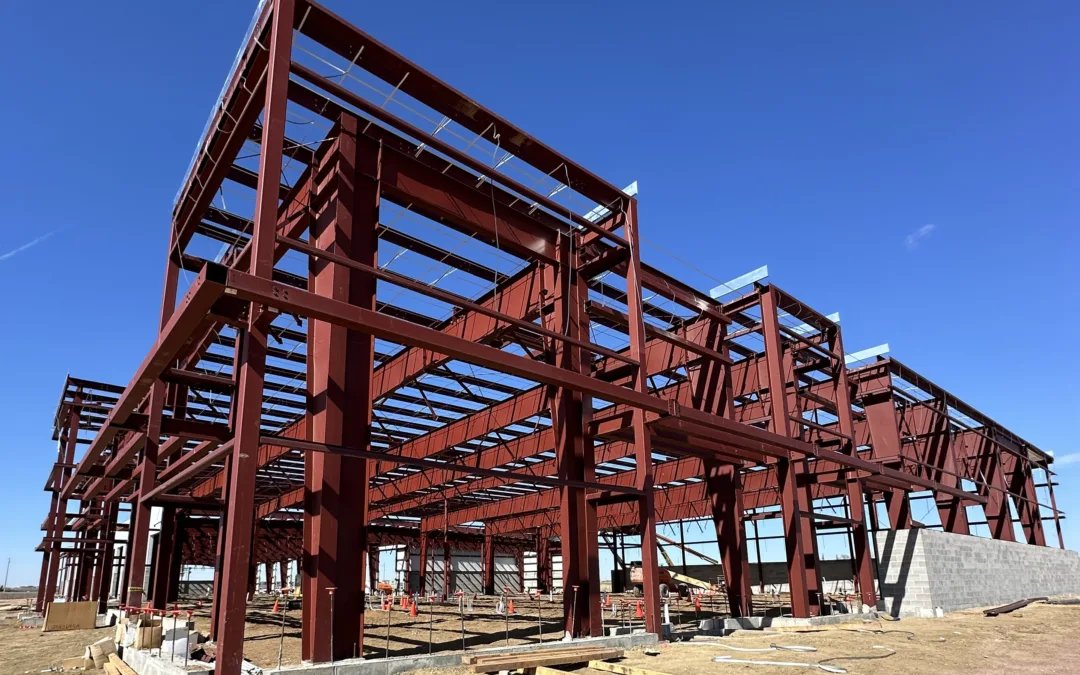
General Contractors of Wyoming builds commercial and industrial buildings across the state. We schedule and supervise the concrete work. We coordinate structural steel and metal building erection. We manage the electrical, mechanical, roofing and finish trades under one contract, so the owner deals with one builder from the first site walk to turnover. Most of our work is commercial construction for owners who need a working building by a fixed date: shops, plants, clinics, warehouses, hotels and public facilities.

The short version of how we operate is simple. We price the drive. We respect the weather. We keep the schedule honest about what the season allows. The rest of this page lays out how that works in practice and where we do it.

How We Work /

Price the Drive, Respect
the Weather

Local Design
Values First

Snow, Wind, Frost
and Code Edition

Distance as
a Cost Line

Travel and Lodging
Written Into the Estimate

Concrete in
the Weather We Have

Placements Scheduled
Around the Forecast

Long-Lead
Procurement

Steel, Switchgear and
Doors Ordered Early

One Builder
to Turnover

Written Schedule
and Weekly Report

Wind, frost and snow come first /

Local design numbers before price

Wyoming does not have one building code that applies everywhere. Codes are adopted and enforced by the city or county, and the design numbers change when you cross a county line. Laramie County lists a 36 inch frost line. The Town of Wright publishes 42 inches. Evanston calls for footings at least 54 inches deep. A foundation drawn for one of those places is wrong for the others, and an owner who prices from a drawing set done for a different county finds out on bid day.

So we ask for the local numbers before we price anything: ground snow load, wind design speed, frost depth and seismic category. Pinedale and Afton see snow measured in feet, while the plains near Lusk are more about wind and wide spans. Jackson averages 78.2 inches of snowfall a year, and the roof, the walkways and the staging plan all have to account for where that snow goes. We treat these conditions as design inputs, not excuses. The concrete foundations trade partners set footings to the depth the local authority requires, and our pre-engineered metal buildings are sized to the snow and wind of the actual parcel, with drift loads added where a roof steps.

Concrete is where a Wyoming schedule is won or lost. We manage the concrete trade partners for footings, grade beams, slabs on grade, equipment pads and dock aprons, and we schedule placements around the forecast instead of the calendar. In cold months that means heated enclosures, insulated forms, blankets and tested mixes, all priced into the contract and not added as a change order in January. In dry places such as Rock Springs, where annual precipitation is about 10 inches, the long days of summer and fall are the pour window, and we use them for foundations, aprons and heavy slabs.

Managing the concrete closely means we control the first half of the schedule. When a floor has to take forklifts, loaded trucks or a machine line, we settle flatness, joint layout and curing before the first truck rolls. When wind is forecast, we say so and move the pour. Crews that wait on ready-mix, or on an inspector two hours away, lose days, so we plan inspections and deliveries as carefully as we plan the forms.

Haul distance, travel crews and long-lead steel /

Travel, lodging and lead times in the estimate

Distance is a cost line in this state, and we write it down as one. Our project team travels to the site, and when trades have to come in from other towns we carry travel and lodging in the estimate instead of hiding it in a markup. We stage steel and rebar near the work so that a late delivery on the interstate does not leave a crew standing idle. If one front is stuck, we move people to another.

The same thinking applies to material. Steel packages, switchgear, large transformers and overhead doors all have lead times, and in a state this size the nearest supplier may be a long day's drive away. Our long-lead procurement planning identifies those items in preconstruction and orders them early, so the pour schedule and the erection window are not waiting on a truck. Building seasons are short in the mountains and the high plains. A shell that is closed in before December can be finished through the winter. A shell that is still open in January costs real money, and we would rather tell you that in the first meeting than in the middle of the job.

Who we build for /

Owners across the state

Wyoming owners fall into a few groups, and we build for each. Energy service and trucking companies need shops, yards and truck courts with heavy slabs and wide doors. In Gillette, that can mean buildings on land that used to belong to a mine, where Gillette owners ask us to check the soil, the fill and the loads before a footing is set. Manufacturers need plants that can expand. Ranch and farm operators need metal buildings for equipment and hay. Local governments need maintenance sheds, offices and public buildings that fit a tight budget.

Some of our best work is reuse. In Torrington, a closed processing plant leaves large slabs, heavy structure, utilities and sometimes rail access, and we price repair against replacement so the owner sees the break-even point. Healthcare is a different discipline, and hospital and clinic owners get phased work, infection control barriers and utility shutdowns planned before the first demolition. Airfields in this state sit high and sit in the wind, so aircraft hangars start with the door type and work back to the frame and floor. Whatever the building, we talk to the owner directly and explain what each choice does to cost and schedule.

How a project runs /

From Site Walk
to Turnover

We start with a site walk and a conversation about how the building will be used day to day. Then we price in packages: sitework, foundations, shell, interiors, mechanical and electrical. You can see where the money goes, which packages carry price risk and which are firm, and what the allowances cover. We confirm with the local building department which code edition and amendments govern the parcel before we lock a bid, because in this state that answer is not the same everywhere.

During construction we keep a written schedule, a weekly report and a site safety plan. Every worker is oriented before starting. Excavations are protected, lifts have written plans and hot work is permitted. When a site is next to an operating plant, rail line or mine facility, we coordinate access and lifting with the owner's safety staff. On occupied sites, the phase plan, barriers and shutdown windows are agreed in advance. At the end we handle punch lists, commissioning, closeout documents and training, so the owner receives a building that works and a clear record of how it was built.

Commercial building construction

Where we work /

Statewide, Including
the Smaller Towns

We work statewide, and the market changes as you drive. In Cheyenne, where I-25 meets I-80, we build for logistics operators, data users and industrial owners who have to account for wind, frost and a long haul for steel. In Casper, the work leans toward clinics, energy-service yards and airport-side industrial buildings. Rock Springs and Green River bring maintenance shops and freight buildings along I-80. Sheridan and Laramie have business parks and manufacturers. Cody and Powell serve the northwest, and Jackson asks for tight-site logistics and snow management.

We also take on smaller towns that larger contractors skip, including Lusk, Wheatland, Newcastle, Sundance, Pinedale, Afton, Evanston, Lander, Riverton, Buffalo and Worland. Each has its own inspector, its own supplier map and its own weather. If you have a parcel and a date, send them to us. One phone call starts the process, and we will tell you plainly what it takes to get a building out of the ground there.

Common Questions

Do you build outside the larger cities?

Yes. A good share of our work is in smaller towns and on county roads, where the nearest supplier or inspector may be hours away. We price the travel, stage materials near the site and plan inspections and deliveries around the distance. If your parcel is far from a main highway, tell us early so we can account for haul routes, mobilization and crew lodging.

Who sets the building code on my project?

It depends on the jurisdiction. Wyoming does not enforce a single commercial code everywhere, and cities and counties adopt and enforce their own editions and amendments. Snow load, wind speed and frost depth change from one county to the next. We call the local building department during preconstruction, confirm the governing edition and have your engineer of record verify the design values before we fix a price.

Can you work through the winter?

Often, yes, but we write it into the plan. Heated enclosures, blankets, insulated forms and tested mixes are priced from the start, and we schedule concrete placements according to the forecast. Our goal is to close the building in before the hardest weather so interior work can continue. If a pour should wait for a better day, we will say so and explain what it does to the schedule.

Which trades do you coordinate, and how do you manage them?

We manage the concrete scope, including footings, slabs, pads and aprons, and we coordinate the erection of structural steel and metal buildings. The electrical, mechanical, roofing, glazing and finish trades are managed under the same contract. You get one point of contact and one schedule, and we closely manage the first part of the work, where weather and distance do the most damage.

How early should I call about steel and other long-lead items?

As early as you can, ideally before drawings are finished. Steel packages, electrical gear, large transformers and overhead doors can take longer to arrive than the foundation takes to build, and shipping across this state adds time. We identify those items in preconstruction and recommend when to order them, so the pour and erection dates are not held up by a delivery.
Call now307-344-3662