Agricultural Processing and Reuse Construction in Torrington, Wyoming
The question for many Torrington owners is not what to build but what to do with a large industrial building that already exists. We evaluate processing plants, warehouses and rail-served buildings for reuse, price repair against replacement and build the new space beside them when the old structure is too small. We manage the demolition, concrete, steel and interior fit-out, so one contractor carries the whole program.
The sugar plant in Torrington, built by Holly Sugar and later run by Western Sugar Cooperative, closed in early 2019, and the city's population fell from 6,501 in 2010 to 6,119 in 2020. A closed processing plant leaves large slabs, heavy structure, utilities and, often, rail access. It can also leave contamination, deteriorated roofs and equipment foundations in the way. A building that sat idle through winters may also have frozen and split pipes, water-damaged framing and failed sealants. We inspect all of it, test what needs testing and give you a clear scope before you buy or lease.
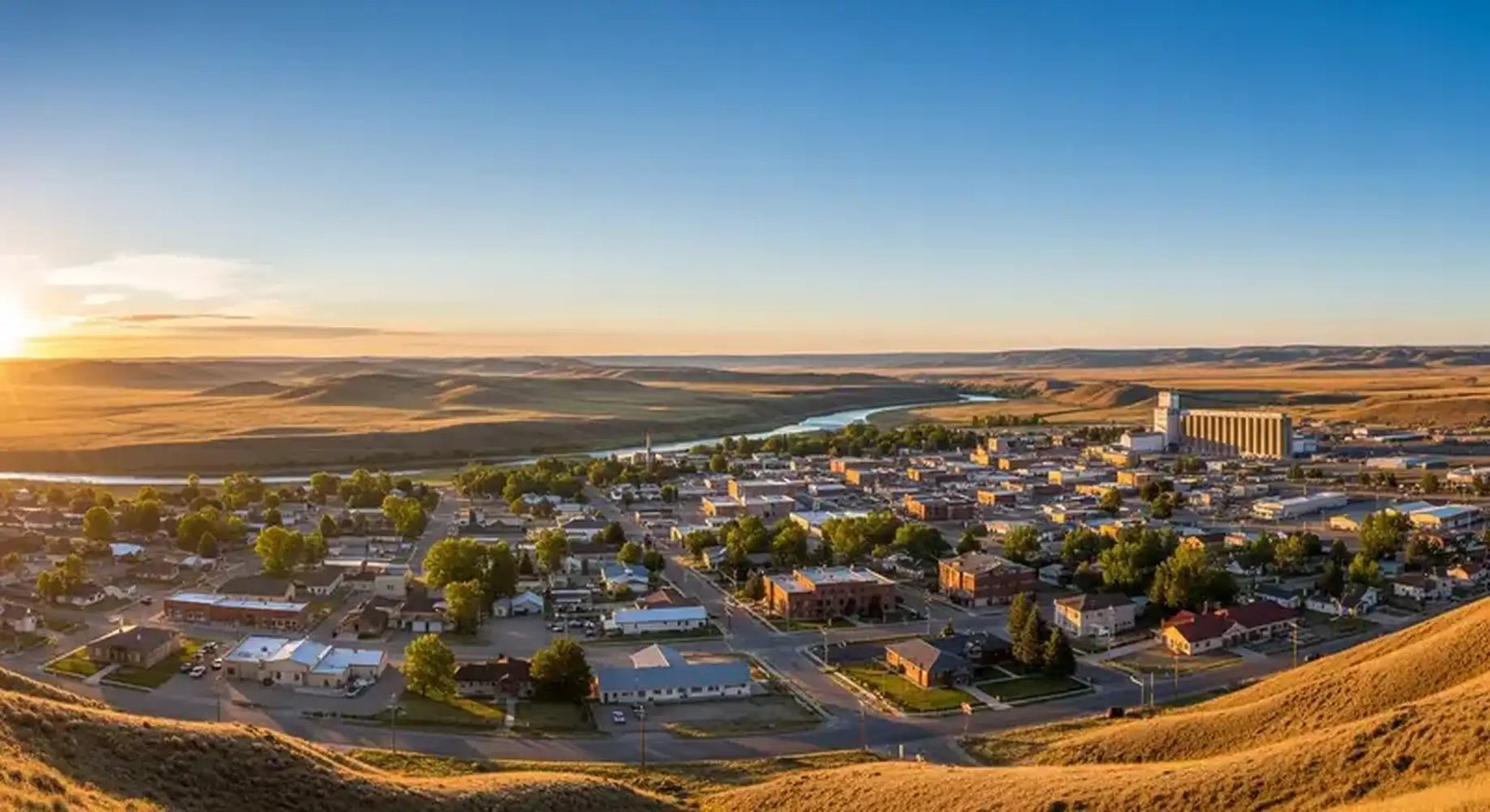
Torrington, the Goshen County seat at 4,104 feet on the North Platte River, is served by US Highways 26 and 85 and Wyoming Highway 159 (Van Tassell Road). A Union Pacific spur line, built in 1925, also runs to town. Access to both rail and road is why a processing or distribution user would consider this area, and it is what we check first on any parcel.
Why reuse can beat new construction
A reused building can save time and money, and it can cost more than it appears. The savings are in the slab, the structure, the utilities and the zoning. The risks are in the roof, the foundation edges, the electrical service and the code upgrades that a change of use triggers. We price both sides, and we show the break-even point. A building that needs a new roof, a new electrical service and a sprinkler upgrade has already spent much of the savings a reuse promised, and the owner should see that arithmetic before signing a lease or a purchase agreement.
We handle renovation and adaptive reuse with a survey of structure, roof, fire protection, electrical and mechanical systems. If the building is a candidate for food and beverage processing, we also review drains, finishes and sanitary details. Owners get a list of what to keep, what to replace and what each costs.
Ground, water and the North Platte
The river bottom has its own conditions: shallow groundwater, floodplain mapping and variable soils. We order borings early, check the water table and review the flood maps before designing foundations. Where groundwater is high, we plan dewatering and waterproofing and we raise slabs or equipment bases above the flood line when required.
Existing sites often have buried utilities that are not on any drawing. We locate them by potholing and ground-penetrating radar, protect them during demolition and relocate what has to move. The cost of this work is small compared with the cost of hitting a live line during excavation, and it keeps your schedule intact.
College and community facilities
Eastern Wyoming College is in Torrington with a satellite campus in Douglas and outreach centers in Chugwater, Glendo, Guernsey, Hulett, Lusk, Moorcroft, Newcastle, Sundance, Upton and Wheatland; its infobox lists 1,505 students. A college that serves a dozen communities needs classrooms, shops, trade-training space and student services at more than one site. That kind of program is a good match for repeatable design and a single builder.
We build for education institutions and public owners, and we know how to work during summer breaks, keep campus roads open and finish before the start of term. We can also quote work in Wheatland and Guernsey, so a multi-campus program can use the same crew.
What we build
Our Torrington scope includes new processing and warehouse buildings, truck docks, rail-side loading platforms, cold storage, offices, repair shops and the paving and utilities around them. We coordinate steel, slabs and aprons, and insulated panels and doors for temperature-controlled space.
We also build smaller community buildings: offices, shops, fire stations and maintenance facilities. A repeatable design with local sourcing keeps price and schedule predictable, and we give owners the option to bid selected scopes locally. We also lay out a procedure for change orders in advance, so a discovered condition becomes a priced decision within a few days and not a dispute at the end of the job.
Airport, rail and highway logistics
Torrington Municipal Airport is a city-owned public-use airport about two nautical miles east of downtown, and it serves general aviation. We plan site access for crane and truck movements near the airport with the city, and we check height limits for cranes before any lift is scheduled. With US 26 and 85 as the main roads and a rail spur nearby, we schedule heavy deliveries to arrive when the crew is ready to place them.
A tight winter can stop exterior work. We aim to complete the shell by early winter, with interior work and equipment installation continuing under heat. Rail tie-ins require coordination with the railroad, which can add weeks, so we begin that conversation in preconstruction.
Build in Torrington
Send us the building or the lot and the use you have in mind. We will survey it, price repair and replacement side by side and tell you which path costs less.
Questions Owners Ask
Is it cheaper to reuse a closed processing plant?
Sometimes. A usable structure and slab save money, but roof repairs, code upgrades and environmental cleanup can erase the savings. We price both options with a condition survey.
What happens to equipment foundations in an old plant?
They may be in the way of new layouts. We locate, test and demolish them, then fill and compact new slab base. If they can be reused, we check them against the new equipment loads.
Do you build food or ag processing spaces?
Yes. We build floors with slope and drains, wash-down finishes, insulated panels and sanitary details. We coordinate with your food safety consultant and the inspecting agency.
Can you extend a rail spur or build a loading platform?
We build the platform, the apron and the grading. The track itself is coordinated with the railroad, which usually has its own crews and approval process. Starting early keeps the building schedule intact.
How long does a condition survey take?
For a single building, plan on one to two weeks for site work and a short report. That includes structure, roof, slab, utilities and a walk-through with your engineer. If hazardous materials testing is needed, the lab results add a few more days, so we schedule those samples first.
What is the best time of year to start in Torrington?
Spring, once the ground thaws. That gives you a full construction season to close the building. A fall start can work if foundations are poured and the shell is closed before hard freeze.