Construction for Hospitality Groups in Wyoming
A lodging owner has one deadline that matters each year, and it is the day the first guest arrives. In Wyoming that day sits at the end of a short building season. Teton County lists a 105 mph basic wind speed and a 34 inch frost line, Afton-area winters run above 87 inches of snow, and the material you need may be a day's drive away. The schedule is the product we sell.
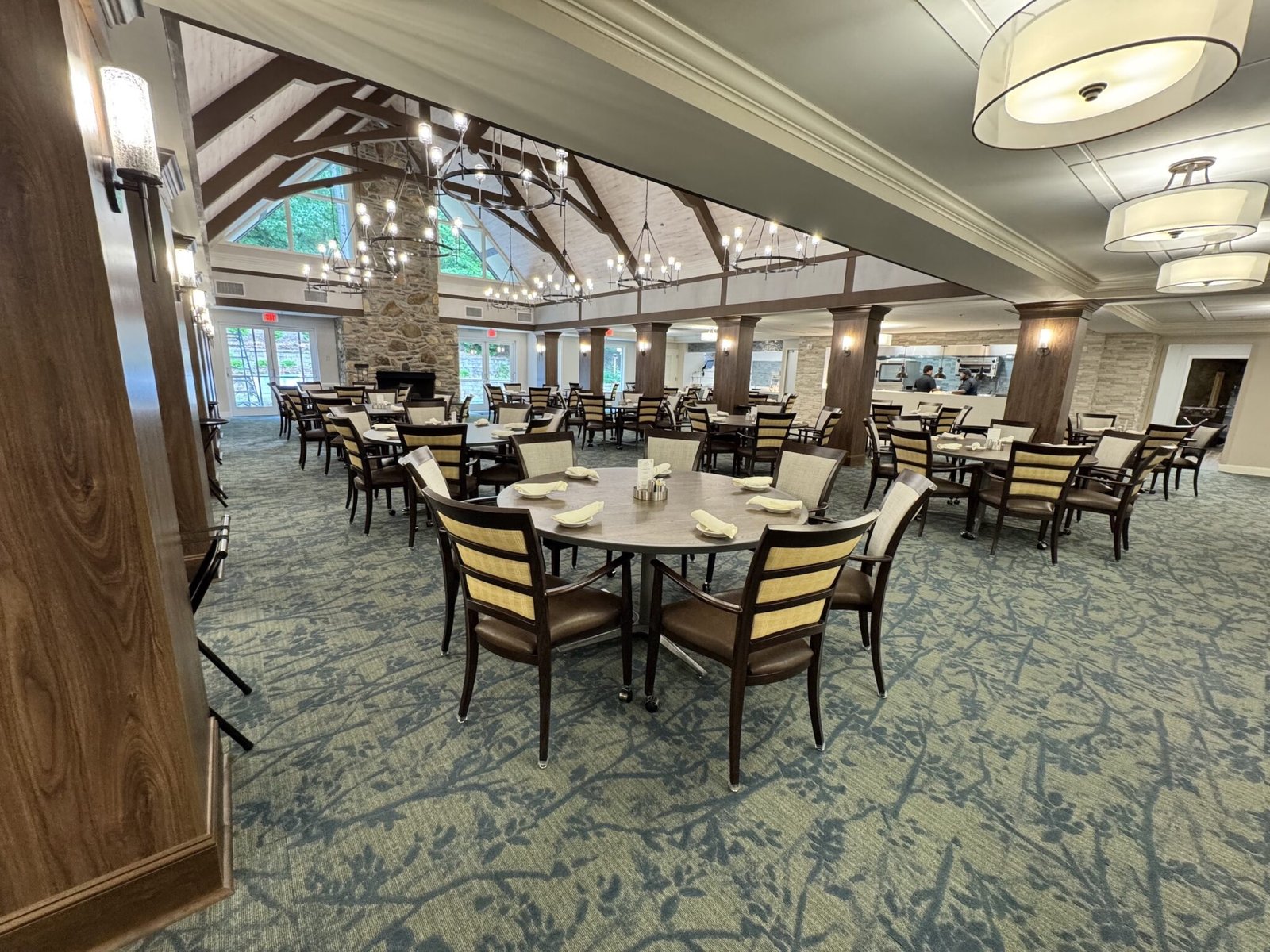
We build and renovate hotels, motels, lodges, restaurants and guest-service buildings for hospitality groups that own one property or several. Your concerns are brand standards, financing, staffing the opening and guest comfort. Ours are the pour windows, the dry-in date and whether the elevator arrives before the drywall does.
Hospitality construction in this state does not look like it does in a metropolitan market. Parcels are small or oddly shaped, utilities may be at capacity and the guest base can swing with the weather. We design our work around those limits and tell you plainly where the risks are before you sign a franchise agreement or close on a loan.
Opening on a date that cannot move
We build the schedule backward from your opening date. That means marking when exterior envelope work must finish, when interiors can be heated, when the furniture package ships and when the brand's inspector visits. Lodging projects are tied to bookings, so a slip costs revenue as well as time. If the date is at risk, you hear it early and see the options.
For a seasonal property, we often propose two phases. The first opens the rooms and the front desk. The second completes the pool, the patio, the exterior detailing and the paving. That gets you operating without compromising life safety or inspections, and it keeps the finish work out of the hardest weather. Our hotel construction work is built around this kind of sequencing.
Where guests arrive and what that means for the site
Travel patterns shape lodging in this state. Cody sits on US 14, 16 and 20 and is the nearest town to Yellowstone's east entrance, and Yellowstone Regional Airport runs United Express service year-round. Sundance sits on I-90, a short drive from Devils Tower National Monument, which receives about 400,000 visitors a year. Thermopolis has Hot Springs State Park, and the town says tourism is economically important.
Each of these places has a different guest and a different building. A roadside property near an interstate exit is designed for fast check-in, truck parking and easy plowing. A property near a park entrance cares about noise, sunlight and views. We learn the traffic that supplies your site and detail the building to match it.
What the hospitality budget is really made of
Guest rooms repeat, so unit cost is a function of how well the plan is laid out. A double-loaded corridor with stacked plumbing is cheaper than a plan that wanders. Public spaces, kitchens, meeting rooms and pools cost far more per square foot than rooms. We price those separately so you can see what an amenity costs and decide whether it earns that money.
In remote locations, the largest hidden costs are freight and labor travel. Jackson Hole Airport sits inside Grand Teton National Park and the park limited its terminal building height to 18 feet. Constraints like that shape every property nearby. The same is true of limited private land: less than 3 percent of Teton County is privately owned, so a parcel is small, and a hotel gets built tall or tight. We price tight sites carefully, since staging, cranes and material storage are all constrained.
What we manage directly
We manage concrete, sitework, rough carpentry, framing and site utilities closely, and that matters in remote towns where subs are scarce. When we schedule the foundation and framing as one sequence, the dry-in date is under our control. For finishes, mechanical, electrical, kitchen equipment and elevators, we use specialty trades and manage them closely.
Guests notice finishes, but weather ends careers on envelope work. Roof edges, window flashing, vapor barriers and entry canopies decide whether a building leaks in its third winter. Carpentry and concrete trade partners build those details, and we inspect them before covering. Restaurant and lounge spaces need grease management and exhaust, so we coordinate with restaurant construction specialists early.
Renovations, brand changes and keeping rooms open
A good deal of lodging work is renovation. Owners convert flags, update rooms or add wings, and they want to keep revenue coming in. We plan renovations floor by floor or wing by wing and keep noisy work away from occupied rooms. Renovation and adaptive reuse projects also uncover hidden conditions in older buildings, so we reserve a contingency and walk the building with you before pricing.
Brand standards add long-lead items such as signage, furniture packages and specified fixtures. We bring those into long-lead procurement planning at the start, and we check that the manufacturer's delivery date works with the build schedule. If you also run residential units for staff, see how we build for multifamily developers.
Give us your opening date
Tell us the property, the brand and the date you need guests in the rooms. We will price the work, show the schedule and mark the items that put the date at risk. Operators who also manage the buildings can see our work with property management firms, and mountain-town sites are covered in our Jackson experience.
Questions Owners Ask
How early should we bring in a contractor on a new hotel?
As early as you have a site and a brand in mind. A builder can tell you whether the parcel supports the room count, how utilities will connect and what the building will cost before you pay for full design. That often saves redesign money. We can take on the work through a design-build or construction-manager arrangement depending on your preference.
How do you handle winter work on a spring opening?
We enclose the building and heat it so interior trades can work through winter. Slabs and foundations are placed before hard freeze, and we use blankets, enclosures and temporary heat when needed. This costs more than summer work, and we name the cost in the proposal.
Can you build in a small town with few local trades?
Yes. We manage much of the structure closely and bring specialty trades from a distance. Lodging for crews, travel time and equipment mobilization are priced into the bid. Planning ahead reduces idle days, which is the biggest cost in remote areas.
What approvals does a lodging project need?
Building permits, plan review and fire marshal review are standard, and utilities require their own approvals. Wyoming has no single statewide building code enforced everywhere, so each city or county sets its review process. We meet the local official early and confirm the adopted code and design loads for the site.
Will you work with our franchise inspector?
Yes. We build to the brand standards you provide and schedule pre-opening inspections into the plan. Items found by the inspector are logged and corrected on a clear schedule, and we keep photos and records to support the approval.