Warehouse Construction in Wyoming
A warehouse on the plains lives or dies by its dock doors and its snow plan. The building itself is a simple box. The trouble comes from the places where the box meets the weather, the trucks and the ground: a dock apron that ices over, a drift that buries a door, a slab edge that heaves in the first hard freeze. We build warehouses with those joints in mind, because a cheap shell with a bad apron is expensive to run.
Most warehouse demand in Wyoming follows the interstates and the railroad. Cheyenne sits where I-25 meets I-80, with US 30, US 85 and US 87 close by, and the Cheyenne Logistics Hub covers about 2,000 acres southwest of the city with access to both BNSF and Union Pacific. Rock Springs is on I-80 with Union Pacific freight service. A building near either has trucks and rail as its customers.
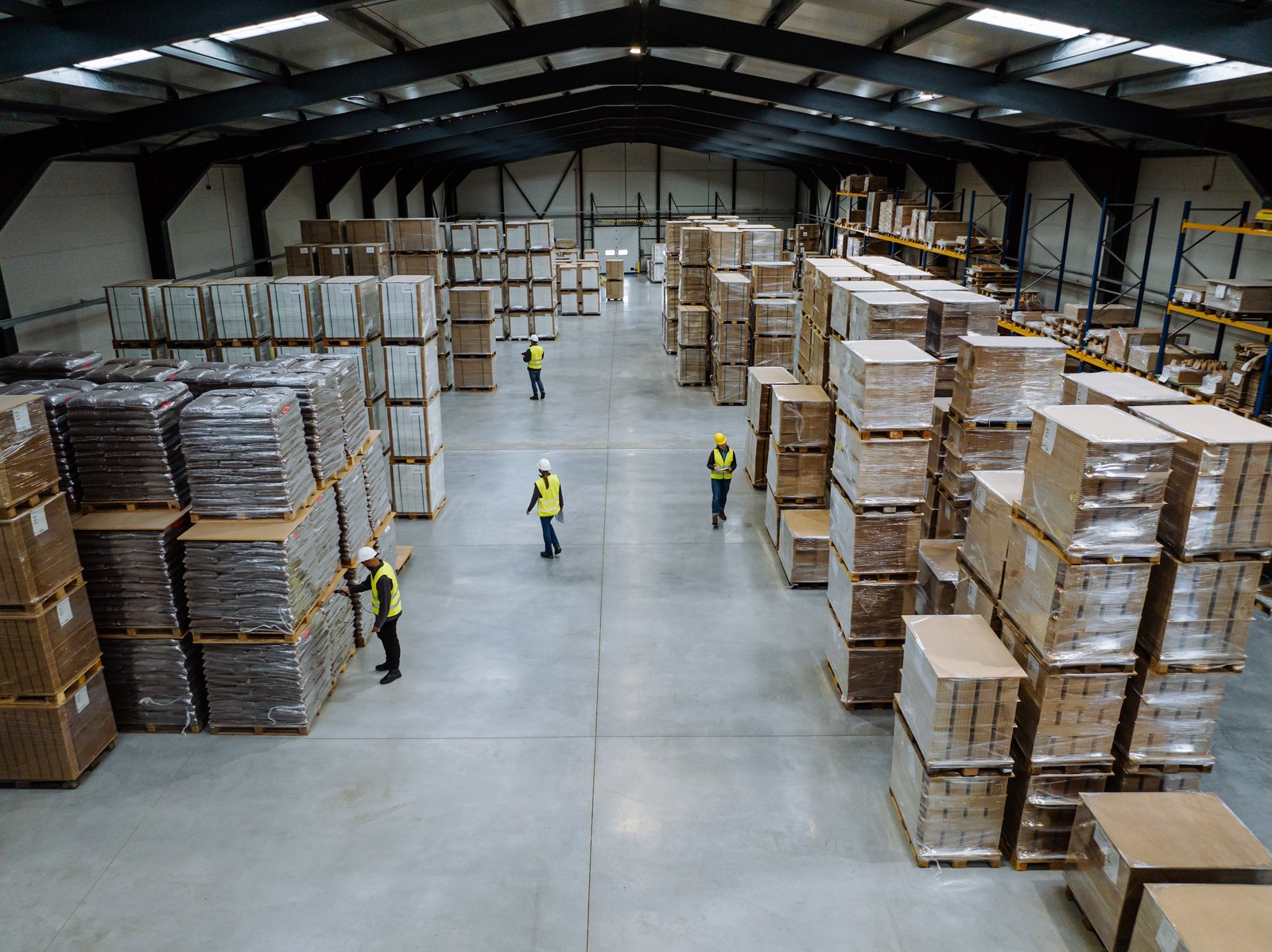
We build warehouses of every size, from a 10,000 square foot storage building to a large distribution box. This page covers the basic building. For high-volume freight, see distribution center construction. For temperature-controlled space, see cold storage construction.
Local codes, local loads
Wyoming has no single statewide building code that local governments must follow. The state adopted the 2024 International Codes on June 28, 2024, but a county or city with delegated authority adopts its own edition and amendments. That means a warehouse in Cheyenne, one in Rock Springs and one in a small town are reviewed under different rules. We confirm which edition and which amendments apply before design is final.
Fire protection is the code item that most affects warehouse cost. Storage heights, commodity classes and sprinkler design decide whether the building needs in-rack protection or a larger water supply. In a rural area, a fire water supply may require a tank and pump, which is a significant cost. We raise that item with the owner and the fire marshal early.
Where warehouses are being built
The pattern follows the corridors. In and around Cheyenne, the Logistics Hub offers a short-line operator, transloading and rail car storage, and its tenants have included Searing Industries, Vestas, Dr. Elsey's and HollyFrontier. As of the December 2022 report, about 1,500 acres of the hub's 2,000 were unsold and unoccupied, which means plenty of land for buildings that need rail. Our Cheyenne page covers the market in more detail.
On I-80 in Sweetwater County, Rock Springs is the largest city, with Union Pacific freight service and an airport eight miles east. Warehouses there are more likely to serve the mining, energy and construction supply chain than consumer freight. See our Rock Springs page for how we serve that market.
What decides the price of a warehouse
Floor, roof and dock count make most of the difference. A heavy-duty slab with tight flatness for narrow-aisle racking costs far more than a plain storage floor, and our commercial concrete floors work explains the options. The roof is priced by snow load and insulation. Each dock position adds a leveler, a seal, a door and apron work.
Site costs vary even more. Grading on sloped ground, a stormwater detention basin, a fire water tank, and utilities extended from the road can add up to a large fraction of the building cost. We price those items separately and early, because they are the ones that surprise owners.
The warehouse, step by step
We start with the site: clearing, grading, utilities and a stable building pad. Then foundations, slab, walls and roof. For walls we choose between tilt-wall construction and metal panels depending on size, budget and the fire rating the code requires. Roof insulation, dock equipment, overhead doors, lighting, sprinklers, electrical and offices follow.
We build warehouse slabs to the flatness the racking system requires and cut joints before the concrete cracks on its own. Joints are filled once the slab has dried, since a slab in cold weather shrinks for months. For owners who want to expand later, we leave one end wall designed for removal.
Plan the truck court and the snow first
Before drawing the building we draw the trucks. Turning radius, trailer storage, dock spacing, queueing and where the snow goes all decide the site plan. A truck court laid out for summer fails in January, when a plow cannot reach the corners and drivers back into drifts.
We favor concrete aprons at the docks, because asphalt softens under trailer landing gear and rutting follows. Drainage is directed away from doors so meltwater does not freeze on the approach. These details cost little during construction and a lot afterward.
A building season that ends in October
A typical warehouse timeline runs site work, slab, walls and roof in the warm months, with interior and mechanical work continuing under cover. The target is to have the roof on before the hardest freeze. We schedule steel and joists early, because delays there push erection into winter.
Winter work is possible but costs more. If the project has to run through the cold months, we budget for winter protection and for lost days. We give owners the choice between a faster, more expensive winter schedule and a later, cheaper spring start.
Services that go with a warehouse
Most warehouse projects include site work, utilities and paving, and the site development and utilities trade partners handle those. Owners who want a single point of contact can also use design-build delivery to run design and construction under one agreement.
Logistics owners can read more about how we work with them on our logistics and distribution page.
Start your warehouse project
Tell us the footprint, the clear height, the dock count and the site. We will return a budget and a schedule that includes the winter.
Questions Owners Ask
What clear height should a Wyoming warehouse have?
It depends on the racking and the product. Higher buildings store more per square foot of land, but they cost more to heat and sprinkler. We help owners compare clear heights against their inventory and operations before design.
Is a rail spur worth it?
Only if you ship in volume by rail. A spur is expensive to build and maintain, and it requires space for track and switching. Sites in the Cheyenne Logistics Hub already have rail access through the park, which can be easier than building a private spur.
How do I keep dock doors from freezing shut?
Good seals, heated dock areas, drainage that moves water away and a concrete apron with a slight slope all help. We specify those details in the design. Operations also matter, such as closing doors when not in use.
Can a warehouse be built entirely in winter?
It can, but it costs more and takes more care. Concrete needs cold-weather protection, and steel erection stops for wind and ice. We recommend a fall start with the roof on before the worst of winter.
What does a warehouse cost per square foot in Wyoming?
We do not quote a number without a site, because the range is wide. The shell is a minor part when site work, fire protection and racking-grade floors are added. We provide a budget estimate early in preconstruction.