Refinery and Wind-Project Support Construction in Sinclair, Wyoming
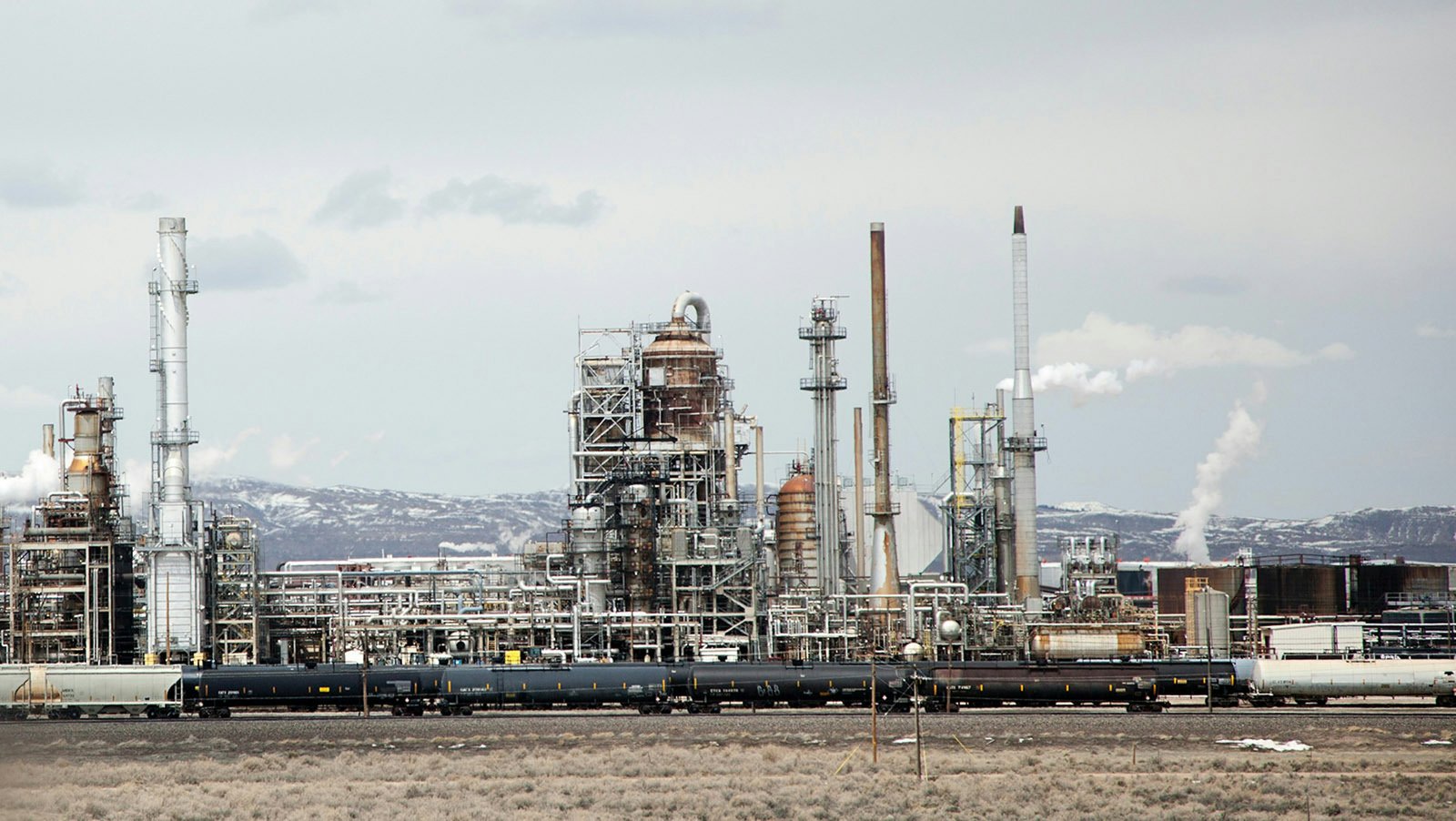
Contractors who service a refinery and contractors who build a wind farm both need the same thing near Sinclair: a yard with a shop on it. Sinclair began as Parco, a planned company town built in 1924 to 1925 around the refinery of the Producers & Refiners Corporation, and was renamed after Sinclair Consolidated Oil Corporation acquired PARCO. The refinery just east of town remains in use. A working refinery brings turnaround crews and maintenance contractors who need space close to the gate.
The other driver is wind. The Chokecherry and Sierra Madre wind project starts about 3 miles south of Rawlins and Sinclair, with about 3,500 MW of nameplate capacity, about 600 turbines and an estimated $5 billion cost. A project that large needs laydown yards, component storage, crew offices, equipment shops and warehouses, and it needs them within reach of I-80. We build those support buildings, and we design them to be useful after the construction peak.
Sinclair is a small place, with 374 residents in the 2020 census. Its history notes that the Lincoln Highway was rerouted in 1939 to follow what later became Interstate 80, and that route is still how crews, steel and equipment arrive. We plan every job around that road and around the wind. Crews working south of town toward the wind project, or east toward the refinery, are within a short drive of a lot here, which is why a yard in Sinclair earns its cost.
Yards, shops and warehouses for industrial contractors
The standard package is a steel shop with overhead doors, an office, a parts room and a graded yard with a compacted base. Contractors with heavy equipment want a floor that takes axle loads, a drain for wash water and a crane or hoist where the work requires it. We build it as a pre-engineered metal building and add the site work around it.
Component storage for large wind equipment needs a different kind of yard: a wide, flat, well-drained pad with a base that carries heavy hauling and a turning radius for long loads. We design those pads with the hauler's turning paths and the equipment weight in mind, using mass grading to build a stable base and keep drainage away from the stored material. A pad that softens in the spring can strand a trailer carrying equipment worth far more than the pavement, so we treat the base as the most important part of the job.
Wind load is a design input, not an afterthought
The site that makes a wind project possible also pushes on every building near it. We design to the wind speed and exposure category the jurisdiction requires, and we do not treat it as a footnote. Roofs, doors and wall panels are the first parts to fail, so we specify fasteners, clips and door ratings that match the load, and we check the bracing for the wind in both directions.
Wind also affects construction. Crane lifts have speed limits, panels can sail off a roof and a half-built frame needs temporary bracing. We stop lifts when the wind rises, brace the frame as we go and stage panels in the lee of a building, not in the open. Time lost to wind is built into our schedules, and we say so up front. We also check forecasts the evening before each lift or pour, and we move the crew to interior or ground-level work when the wind will not allow the plan.
Two industrial customers on one corridor
A refinery and a wind project operate on different clocks. The refinery has planned turnarounds and daily maintenance. The wind project has a build phase and then a long operating life. Contractors for both need shops and yards, but the refinery side values proximity and security, while the wind side values access to I-80 and room to stage. We help owners match the building to the customer they expect, and we are honest when a lease prospect and a building do not match.
That diversity is useful for an investor. A building that can serve a refinery contractor today and a wind contractor tomorrow keeps its value. We favor clear-span interiors, tall doors and generous yards for that reason. Our work for manufacturing and industrial owners follows the same flexible approach.
Mobilization, steel and the schedule trade-off
In a project-driven market, the price of speed is often high. A contractor needs a yard in a fixed number of weeks, and we can deliver that by ordering steel and doors early, building the pad while the package is fabricated and erecting the frame as soon as it arrives. We quote the fast schedule and the normal one so you can see what speed costs.
Travel and lodging for crews are part of the price in a small town. We include them as separate lines, and we combine trips with work in nearby towns such as Rawlins and Rock Springs. If your needs span the I-80 corridor, one coordinated order can save freight.
Logistics, equipment and industrial service owners
Owners in logistics and distribution use Sinclair's position on I-80 for trailer storage, equipment staging and small cross-dock operations. A truck terminal or cross-dock needs a long dock wall, a concrete court that handles trailer landing gear and lighting for night work. We build the dock and court as a unit.
We also work with equipment dealers and rental firms that need a shop, a wash bay and a display yard. In every case, we start with the equipment dimensions and turning paths, then build the building around them. A shop with a door a foot too low for the machine is a mistake owners make once, and we measure before we order.
Build in Sinclair
Send us the use, the lot and the date you need it working. We will price the building, the yard and the wind.
Questions Owners Ask
Can you build a yard and shop on a short schedule?
Yes, if we order steel early and build the pad and foundation while the package is fabricated. We quote the fast schedule and the normal schedule so you can see the cost of speed.
How do you design for wind?
We use the wind speed and exposure category the jurisdiction requires, then check the frame, the roof and wall fasteners and the doors against it. Temporary bracing during erection is part of the plan.
What does a laydown pad for large components need?
A flat, compacted, well-drained base that carries heavy hauling and allows long loads to turn. We design it from the equipment weight and the hauler's turning paths.
Can one building serve a refinery contractor and a wind contractor?
Often. A clear-span shop with tall doors, an office and a good yard works for either. We design the building to be flexible so it keeps its value if the tenant changes.
How do you manage the drive to Sinclair?
We list travel and lodging separately and combine trips with work in Rawlins and Rock Springs. Material comes along I-80, and we schedule deliveries to match the crew.