Valley Commercial and Agricultural Conversion Construction in Afton, Wyoming
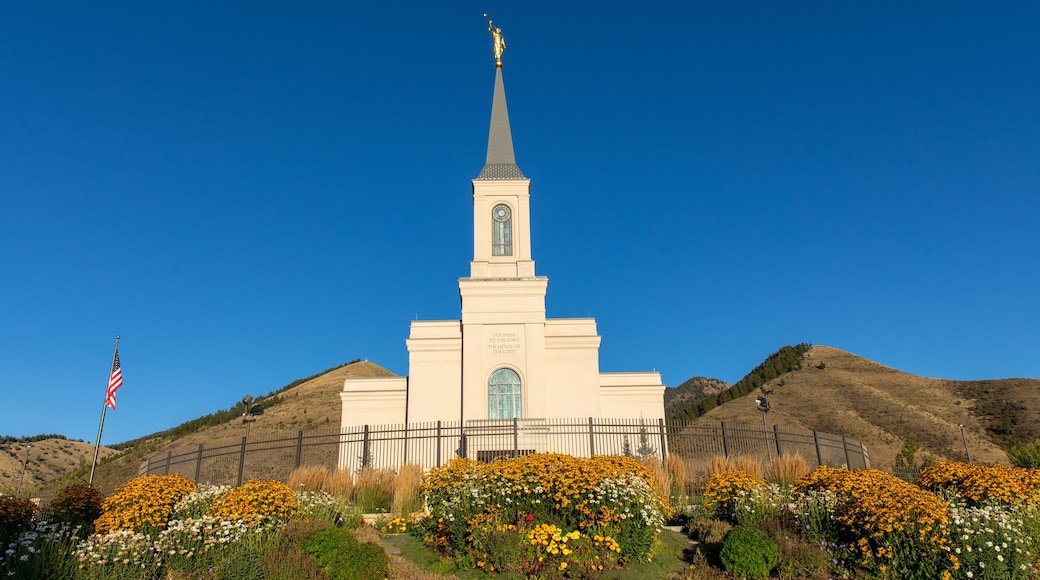
Star Valley runs 56 miles along US Route 89, and an Afton job site is a haul inside that valley. The valley ranges from 5,600 to 7,000 feet in elevation, Afton sits at 6,240 feet, and US Highway 89 runs through the town as four lanes spanned by the elk antler arch. Wyoming Highway 236 connects Fairview and Afton. For a builder, that is a single main road, and every truck of steel, concrete and drywall comes up or down it. We price that haul as part of the job and plan around it.
Afton averages about 87.8 inches of snow a year, with the heaviest snow from November through January, and has a record low of minus 46 F. We design every roof, footing and door for that winter. We also schedule around it: foundations and the shell in the warm months, and interior work under heat once the first heavy snow arrives.
Afton is in the Upper Valley of Star Valley, where dairy farming was once central. There were 600 dairies in 1947 against about 175 farms by 1982, and the Thayne Creamery closed in 2005. Buildings built for that economy are still around, and owners often ask what can be done with them. We evaluate, repair or replace them, and we build new where that is the better choice. Our renovation and adaptive reuse work starts with a survey, not a sales pitch.
A valley economy that changed shape
When an agricultural economy contracts, the buildings stay. A large barn, a milking parlor, a processing room or a creamery has a strong frame and a big slab, and it may fit a new use. A barn with sound posts and a good roof can become a shop, a storage building or a workshop. The cost depends on what has to change: floors, drains, insulation, electrical and openings.
We survey those buildings and price the conversion beside a new pre-engineered metal building. The honest answer is sometimes to start fresh. A frame that has been wet for years, a slab with drains in the wrong places or a roof past its life can make a new building the cheaper option, and we tell you so. A large frame also has value as shelter. If you can keep the roof and replace the rest, the savings can be real, and we show you the arithmetic either way.
Food and beverage processing space has stricter needs than a barn: washable surfaces, floor drains with the right slope, controlled temperatures and clean utilities. If a building is being considered for that use, we compare it to a purpose-built food and beverage processing shell before you commit to a lease or a purchase.
87.8 inches of snow and a minus 46 F night
Snow load is the first design input. A roof in Afton carries heavy snow and sheds it in slabs, so we locate entries, vehicles and walkways away from the eaves and add snow retention. Drifts build against walls and neighboring buildings, and we strengthen the framing where they will form.
Cold is the second. At minus 46 F, steel is brittle, sealants stiffen and a poorly insulated slab edge can freeze the ground beneath it. Footings go below the frost line, slab edges are insulated and heating systems are sized for the coldest night. We use cold-rated materials and install them within their working temperature ranges.
Foundations and framing through the cold months
We schedule footings and slabs for the warm months, and we protect them in the cold ones. Concrete foundations in Star Valley are placed on thawed, compacted subgrade, covered with blankets or enclosed with heaters, and monitored until they gain strength. We never place concrete on frozen ground. Rebar is set and inspected before the cold arrives, and forms are stripped only after cylinder tests or maturity readings show the strength has been reached.
The framing and steel trade partners work to a weather plan. We keep ice off decks, tie off at height and set wind limits for lifts. A crew that can work safely most days of the winter, with a backup activity on the days it cannot, finishes sooner than one that stops every time the temperature drops. For an owner, that means a building closed in and heated before the heaviest snow of November through January, with interior trades working under cover.
Moving material up a single valley
The valley's main road is US 89, and in winter a closed pass or a stalled truck can halt deliveries. We order material early and stage it before the heavy snow. Items we cannot stock, such as steel packages, roofing and windows, are ordered with margin in the schedule so one slow delivery does not stop the project.
The same logic applies if your program spans the county. We build in Kemmerer and Pinedale, and a coordinated order for several sites can lower freight cost and shorten lead time. Logistics and distribution owners who need a depot in the valley can benefit from the same planning.
What we build in Lincoln County
Our Afton scope includes metal-building shops and storage, commercial buildings on the US 89 frontage, converted farm buildings, offices and small public facilities. We pair a standard design with local detail: sturdy roofs, insulated floors, entries sheltered from the weather and finishes that stay clean in mud season.
A building with a plan for use, a price and a schedule is the product. We walk the site with you, review any existing structure and give you a written estimate that separates site work, building and interior. Because Wyoming has no single statewide building code, we also confirm the local requirements before we draw. If your project is closer to Evanston, we also work in Evanston, and the snow and cold design lessons carry across.
Build in Afton
Tell us the building or the lot. We will look at what is there, price the options and give you a schedule built around the winter.
Questions Owners Ask
Can an old dairy barn be converted to another use?
Sometimes. We inspect the frame, roof, slab and utilities, then price the changes beside a new steel building. A sound frame can save money. A wet or damaged one usually cannot.
How do you design for 87.8 inches of snow?
We design roofs for the load the building department requires, add drift loads where roofs meet taller walls, and place entries away from sliding snow. We also insulate slab edges and set footings below frost.
Can you build in winter?
Yes, with preparation. We thaw and protect the subgrade, cover or enclose concrete, and shift to interior work when the weather stops outdoor work. Winter protection is priced as its own line.
How do you get material to Star Valley?
Most freight comes along US 89. We order early, stage material ahead of the crew and add margin for road closures. If we have several sites in the region, we consolidate deliveries.
Do I need a permit from the town or the county?
It depends on where your parcel is. We confirm the jurisdiction with the building office before design and prepare the submittal to match.