Dry-Climate Commercial and Public Building Construction in Lovell, Wyoming
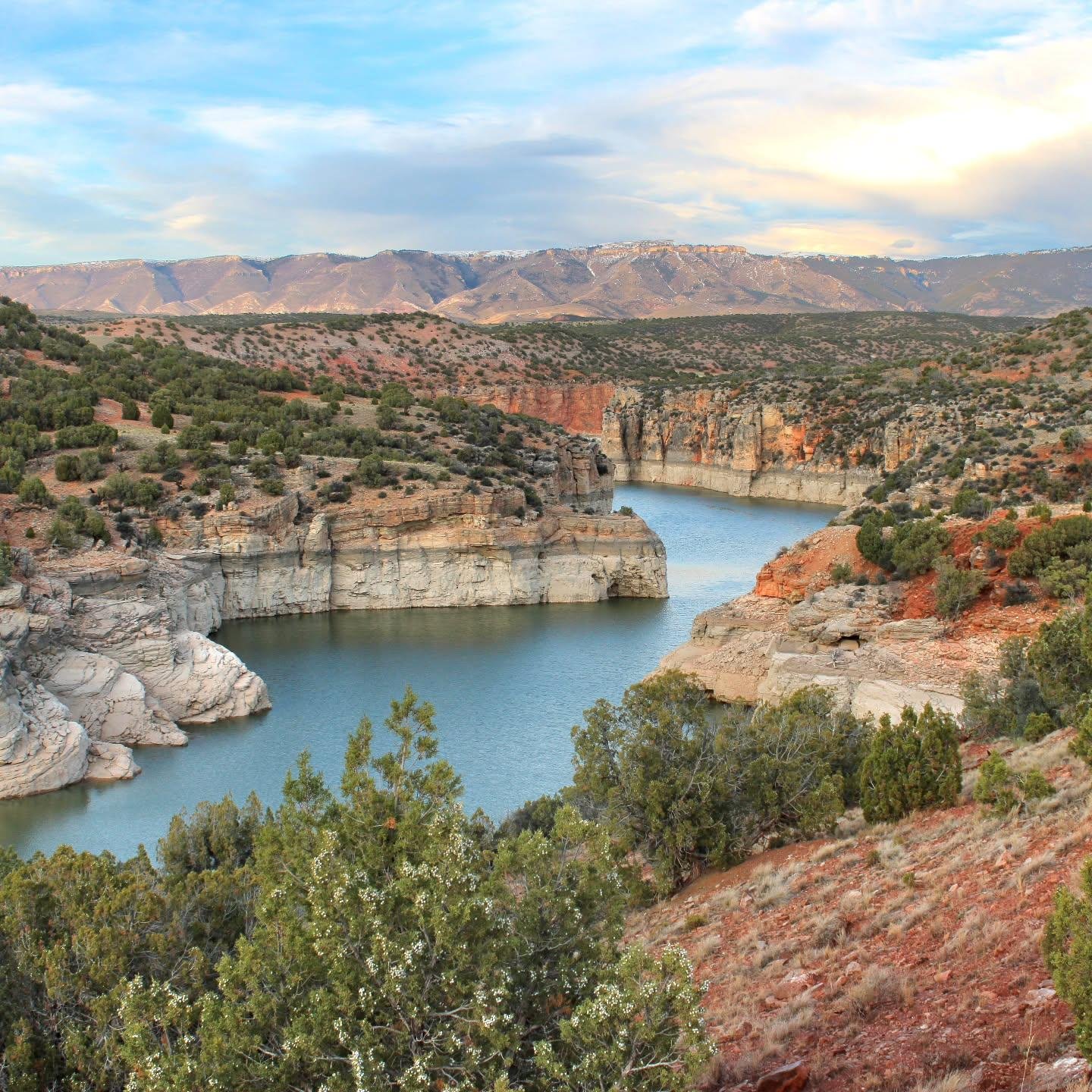
A cold desert that gets 6.45 inches of precipitation a year gives a Lovell contractor a long building season, and it brings its own problems with concrete. Lovell sits at 3,835 feet and has average annual snowfall of only 13.3 inches. That is light compared with most of the state, which means roofs are designed for a smaller snow load and a crew can often pour and erect steel well into the shoulder season. It also means dry air, wind and sun, which pull water out of fresh concrete faster than a mild climate would.
We build with both facts in mind. Lovell is the largest town in Big Horn County, with 2,243 residents in the 2020 census, and it serves as a service center for the surrounding area. Owners here ask for shops, storage, retail and service buildings, and public owners ask for facilities that last. A town this size has a short list of builders, and an owner deserves a clear price, a written schedule and a crew boss who answers the phone.
We drive to the site and price the drive. In a spread-out county, the cost of a trip is a real number and we show it.
Pouring concrete in dry air and wind
In a dry climate, the danger to fresh concrete is not freezing but evaporation. When water leaves the surface faster than bleed water rises, the top skin shrinks and cracks before the slab has gained strength. We watch the evaporation rate on the day of the pour, which depends on air temperature, humidity, wind and concrete temperature, and we adjust the plan if it is high.
The remedies are simple and we use them. We dampen the subgrade, place windbreaks, use evaporation retarders, start curing right after finishing and cover the slab with curing compound or wet burlap. Pours go early in the day when the air is cooler. These steps cost little, and they separate a flat, tight slab from one with a map of cracks. Control joints are cut early, on the same day or the next morning, so shrinkage cracks follow the joint and not a line across the middle of the bay. This matters most on commercial concrete floors that will see forklifts and shop traffic.
A longer season and how to use it
Light snow means more working days between late fall and early spring than in most of Wyoming. We use those days. A project that starts in the fall can have a closed shell by winter and interior work through the cold months, and a project that starts in early spring can finish before the summer heat becomes the problem.
The calendar is still tied to supply. Steel packages, roofing and doors have lead times, and we order them at contract signing. We also stage deliveries to match crew availability, so material does not sit exposed to wind. If an owner has a hard opening date, we work backward from it and tell you the latest approval date that keeps it. Dry summers also bring heat, and we shift concrete and roofing work to the cooler hours so the material behaves as designed.
Shops, storage and service buildings
Most Lovell work is steel, and a pre-engineered metal building is usually the most economical choice. We specify the eave height, the door sizes and the insulation for your use, then pour the slab and erect the frame. In a place with light snow, the roof can be lighter than in the mountains, which lowers the cost of the frame. Even so, we design to the load the jurisdiction requires and never to a guess.
Retail and service space is similar. We build simple shells with storefront glass, a canopy and utilities stubbed for the tenant, so the space can be finished for a specific use later. A shell with a flat, well-drained roof and a rear service door suits almost any tenant, which keeps the building rentable if the first user moves out. For existing buildings, our tenant improvement work covers new partitions, ceilings, lighting, plumbing and mechanical systems.
Public owners and a federal neighbor
Bighorn Canyon National Recreation Area, with over 120,000 acres, has its Cal S. Taggart Visitor Center in Lovell. We do not claim past work for any federal owner, but we know what working near a federal facility involves: coordinated access, security and traffic procedures, strict documentation and a schedule driven by the agency's funding. Contractors who understand those requirements can price them correctly and avoid disputes. For a visitor-oriented building the owner may also want durable restrooms, accessible paths and landscaping that needs little water, and we design those in from the start.
The same discipline applies to town, county and school owners. We build government and municipal buildings to the specifications and the bonding requirements, and we close out with complete records. Many public sector owners tell us that closeout is where contractors fall short, so we start planning it at kickoff.
Which office reviews your plans
Wyoming has no single statewide building code. Cities and counties adopt and enforce their own codes, so the review depends on whether your parcel is inside the town or out in the county. We confirm this first, and we ask which edition applies, who inspects and how far ahead to schedule.
We prepare complete submittals and answer comments quickly. If your plans cross a county line or involve more than one agency, we sequence the approvals to avoid delays. We also build in Powell, Greybull and Cody, and can reuse what we have learned about the Big Horn Basin permitting offices for your project.
Build in Lovell
Tell us the building and the lot. We will price the work, plan the concrete for the climate and give you a schedule.
Questions Owners Ask
Why does dry air matter for a concrete slab?
Dry air and wind pull moisture from the surface of fresh concrete, which can cause plastic shrinkage cracks. We measure the evaporation rate, use windbreaks and retarders and start curing right after finishing. Early morning pours also help.
Is snow load low enough to reduce building costs?
Lovell averages about 13.3 inches of snowfall, which is light for Wyoming. The jurisdiction still sets the design load, and we do not design below it. A lighter required load can reduce frame cost.
Can you work near a federal facility?
We follow the access, security and documentation rules the agency requires. We have no claim to past federal work, but we price the procedures correctly and manage the schedule around them.
How long is the building season?
Longer than in the mountains. Light snow lets us pour and erect steel well into the shoulder season. We still plan winter protection for the coldest weeks.
How far is Lovell from your project team?
Lovell is a drive from the larger supply towns, so we price travel and delivery on their own lines. We combine mobilizations when we have work in nearby towns.