
River-Corridor and Public Building Construction in Saratoga, Wyoming
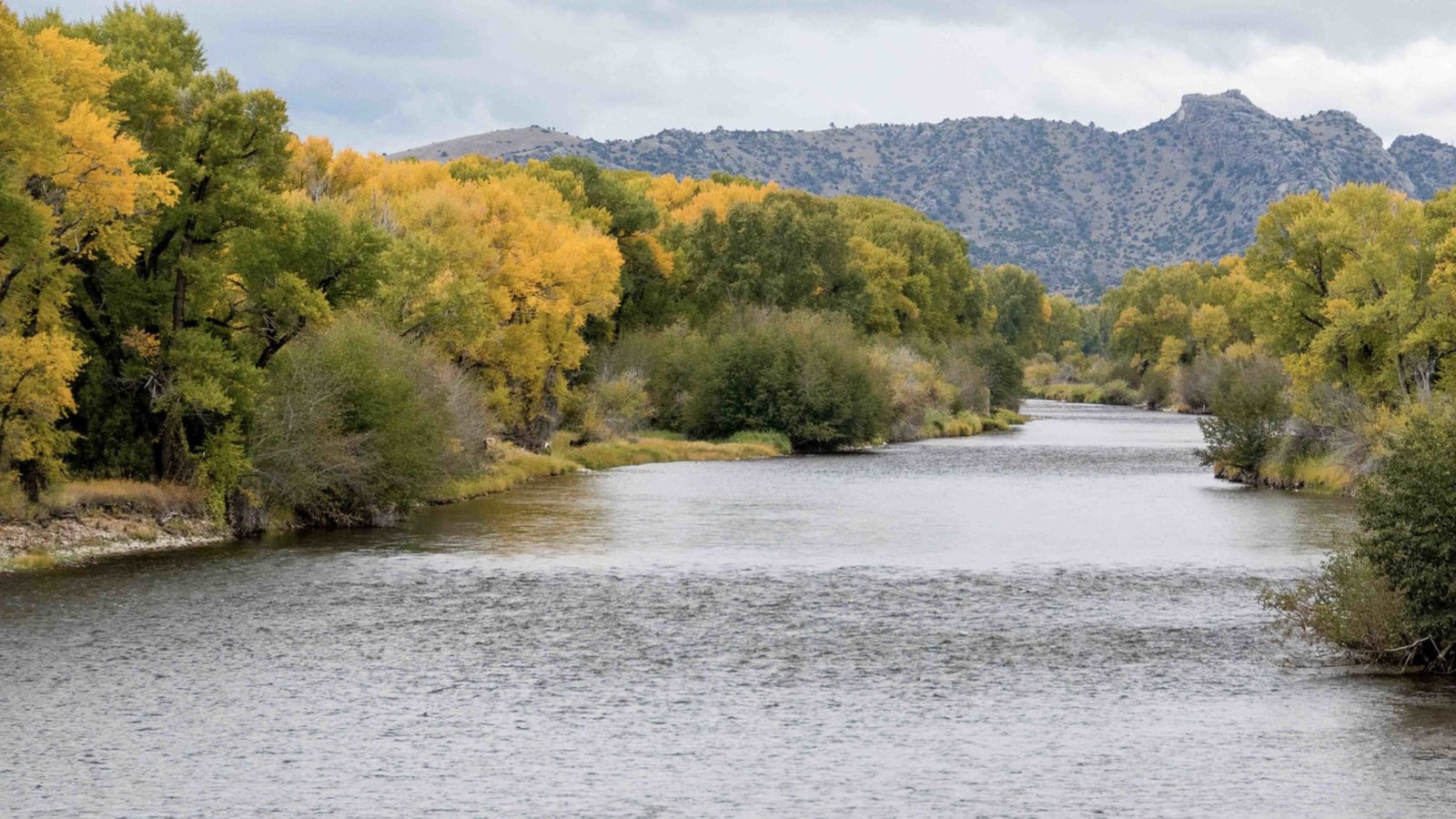
A building lot near the North Platte at Saratoga gets looked at twice, once for the ground and once for the river. Saratoga sits on the North Platte River at 6,791 feet, and the river through town is a Blue Ribbon Stream per the Wyoming Game and Fish Department. That designation makes a builder careful about runoff, erosion and anything that could reach the water, and it is why site work here begins with a drainage and erosion plan rather than with an excavator.
The town's economy leans on public employers. Saratoga's two largest employers are the U.S. Forest Service and Carbon County School District No. 2, and a public pool in town is heated by a hot spring. Those owners buy buildings through formal processes, and a contractor who can handle the documents, schedules and inspections is worth more to them than one who simply quotes the lowest price. We build for that kind of buyer, and we write our proposals so a board can read the scope line by line.
Winter is part of every decision. Saratoga averages 13.39 inches of precipitation and 53.1 inches of snowfall a year (1991 to 2020 normals), with a record low of minus 42 F. We design footings, roofs and heating for it, and we tell you what it does to the schedule.
River edges, erosion control and permits
Work near a river brings extra review. Depending on the parcel, there may be floodplain mapping, setbacks from the bank and rules for how much soil can be disturbed. We look at the maps and the parcel boundaries before we design, and we involve the right agency at the right time. Our permitting and entitlements team tracks each approval and keeps the owner informed.
On site, silt fence, wattles and stabilized construction entrances go in before digging. We keep stockpiles away from the bank and plan the grading so runoff goes to a basin and not to the river. These measures are inspected, and a failed inspection can stop work. We maintain them every week, and after every storm. A river town gets spring runoff as well as summer cloudbursts, and the controls have to hold through both.
School district and forest-service type owners
A school district buys through public bidding and holds a contractor to the schedule of the school year. Summer is the working window, and a classroom wing or a gym renovation has to be ready when students return. Our education facility construction approach orders long-lead items in winter, mobilizes the day school lets out and keeps the site fenced and safe.
Federal land-management agencies have their own requirements for documentation, environmental practices and access. We work with education institutions and public sector owners, and we know how to deliver a complete turnover package that a facility manager can use for years. That package holds as-built drawings, equipment manuals, warranties, test reports and a list of every product installed, organized so a new maintenance worker can find what they need.
Planning around the owner, the river and the calendar
Our approach starts with a walk of the site and a talk with the people who will use the building. We ask who needs access, when the building must be ready, what happens during construction and how the building will be maintained. These answers determine the design and the phasing more than the drawings do.
We then write a plan that shows the order of work, the staging area, the erosion controls and the dates for inspections and deliveries. The plan is short, and the owner and the crew both use it. When conditions change, we update it and tell you the effect on cost and time. A hot-spring pool, a forest-service shop and a school wing all have different users, and the plan reflects who will be in and around the work.
Cold, ice and working near water
With a record low of minus 42 F and a typical annual snowfall of 53.1 inches, winter work needs preparation. Crews get cold-weather clothing, warm-up areas and a plan for ice on ladders and decks. Concrete is heated and covered, and equipment is started and warmed before it is used.
Work near the river adds fall-in and bank-stability hazards. We keep excavations back from the edge, shore trenches deeper than four feet and keep a rescue plan and equipment on site. Fuel and equipment fluids are stored away from the water, and spill kits are within reach. This is routine practice, and it protects people and the river. Heavy equipment stays off soft ground near the bank, and we use mats where we must cross wet soil, so we do not leave ruts that become channels for runoff.
Where the money goes in a mountain town
Three items drive price: frost-protected foundations, snow-load framing and the cost of getting people and materials to the job. We separate each so you can see the effect of a design choice. For example, a simpler roof shape or a slab edge detail can reduce framing and insulation cost without a loss of function.
We also compare against other Carbon County towns when an owner has options. If the same program could be built in Rawlins or Sinclair for less, we say so, and we price both. The aim is the best building for the money, wherever it goes. Mountain-town owners also ask us about school buildings and public shops, and we carry the same cold-climate details across those types.
Build in Saratoga
Send us the lot, the owner and the date. We will review the river edge, price the work and build the schedule around the school year or the season.
Questions Owners Ask
Does the Blue Ribbon Stream status change how I build?
It makes erosion and runoff control more important. We have sediment controls installed before digging, keep soil away from the bank and plan grading to drain to a basin. We confirm the requirements for your parcel with the right agency before we start.
How do you build school projects around the school year?
We order long-lead items early and mobilize when classes end. Work is staged so the most disruptive tasks occur in summer, and the site is fenced and safe when students are around.
What does a minus 42 F record low mean for a building?
Footings below frost, insulated slab edges, heating sized for the coldest night and materials rated for low temperatures. We also plan the construction schedule so weather-sensitive work happens in suitable conditions.
Do you build for federal and school owners?
We build for public owners, and we follow their bidding, bonding, documentation and closeout procedures. We do not claim past work for a specific agency, but we price the requirements correctly.
Which office issues the building permit?
It depends on whether your parcel is inside the town or in the county. Wyoming has no single statewide building code, so each jurisdiction sets its own. We confirm before design.