Industrial Site Diligence and Light Industrial Construction in Evansville, Wyoming
Groundwater is the first line item on an Evansville site. The Mystery Bridge/U.S. Highway 20 Superfund site in Evansville involves groundwater contamination believed to come from former industrial operations, and the surviving Casper-area refinery is also in town. That history does not stop building. It does mean that an owner buying a lot for a shop, a flex building or a light industrial plant should know what is under it before closing, and we help with that step before we price a single wall.
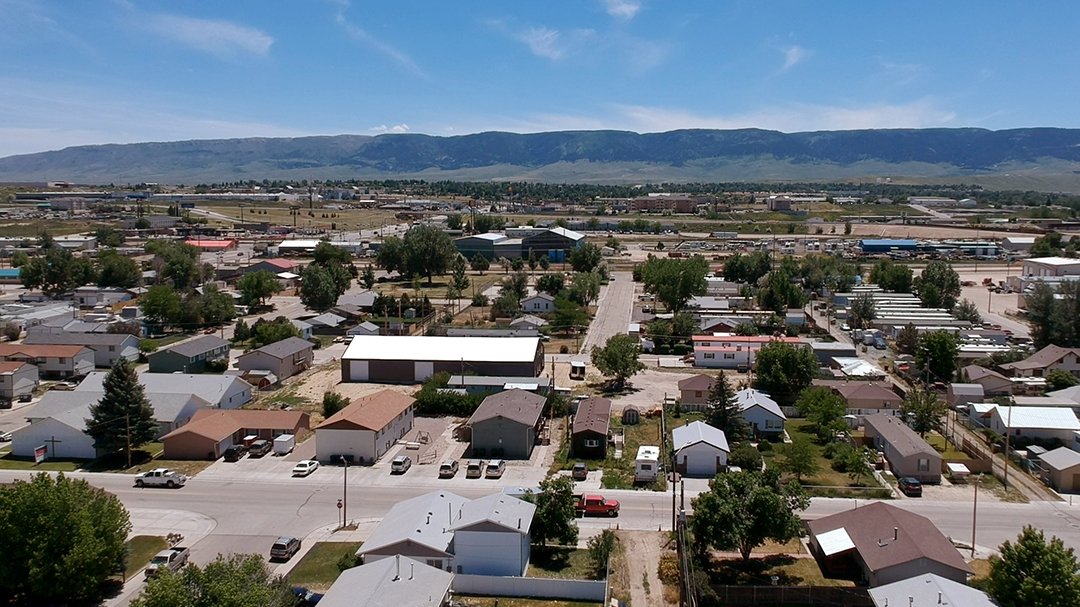
Evansville sits at 5,125 feet and is part of the Casper metropolitan statistical area, growing from 2,544 residents in 2010 to 2,746 in 2020. It is close enough to the larger market to draw customers and trades, and small enough that a good lot is not hard to reach. About 175 miles northwest of Cheyenne by I-25, it is a day's drive for materials and a quick trip across the metro for suppliers.
We build the buildings that fit this kind of ground: slabs-on-grade with vapor barriers, elevated or sealed utility trenches, and structures that do not disturb groundwater when the soil is opened. The result is a building that works for you, and a file that shows a lender or buyer that the site was handled carefully. Light industrial users, from fabrication shops to equipment yards, tend to want the same things: clear height, wide doors, a durable slab and room to turn a truck.
What we ask before a footing is dug
We ask for the environmental reports on the lot, the title history and any restrictions on use or digging. If there are none, we recommend the owner order a site assessment before purchase. If there are reports, we read them for depth to groundwater, the location of known contamination and any limits on dewatering. Cutting a trench below the water table can pull contaminated water into your excavation, and that turns a routine utility run into a regulated discharge.
The remedy is planning. We shift utilities shallower where we can, choose shallow foundations over deep ones when the soil allows and avoid dewatering near areas of concern. When digging is unavoidable, we pull in an environmental consultant to set the handling rules before the excavator arrives.
Diligence first, then design
Our approach starts with a site walk and a records review, then a short written scope: what we know, what we do not and what each unknown could cost. We carry allowances for the unknowns that matter and we tell you what we will not guess at. An owner who sees the risk early can negotiate the purchase price, ask the seller for a credit or walk away.
Design follows what the diligence finds. A flex or light industrial building on clean ground is a standard steel frame, slab and doors. On a lot with history we may add a vapor barrier under the slab, a sealed floor and a vented crawl space or sub-slab layer. Each addition has a price, and each one is a decision we put in front of you.
Permits, approvals and who signs off
Wyoming has no single statewide building code, so the jurisdiction on your lot decides the plan review. On a site with contamination history, an environmental agency may also have a say, and the order of approvals matters. We map them before you buy, so you know which approval is first and which is the long one. Our permitting and entitlements team tracks each submission and keeps the owner copied.
Stormwater is its own track. Even a small site must manage runoff, and grading over soil with a history raises the stakes. We lay out stormwater drainage to keep runoff off disturbed ground and away from neighbors, and we confirm the plan with the reviewer before we mobilize.
Handling soil and water on a legacy site
If testing finds contamination in soil we will move, the work follows the consultant's handling plan: designated stockpile areas with liners and covers, truck loading rules, and decontamination for equipment that leaves the zone. Workers on those tasks get the training the plan requires, and we limit who enters the work area.
We keep records of what we dig, where it goes and who signs for it. Those records belong to you, and they matter at resale or refinancing. A clean file is an asset, and a missing one can cost you a sale. Where the work is larger, we coordinate demolition work of old slabs and structures with the same discipline, because old floors can hide staining and old tanks.
Where money goes on a lot with history
Three items move the budget: site assessment and testing, soil handling and the foundation system. The building itself is the more predictable part. We separate the lines so you can see the cost of the unknowns and so you can decide how much risk to carry. Owners who fold those items into a lump sum often pay for risk twice. A contingency that is spelled out and tied to named unknowns also lets you release money back to the budget as each unknown is cleared.
We also look at neighbors in the Casper metro for comparison. If a similar lot in Mills or Bar Nunn costs more to buy but less to prepare, the total may favor it. We price both and give you the all-in number, and we are glad to do the same for an industrial buyer weighing manufacturing operations space.
Build in Evansville
Send us the lot or the address. We will walk it, read what exists and give you a written scope that names the risks and the price.
Questions Owners Ask
Does the Superfund site mean I cannot build in Evansville?
No. It means you should know what is on and under your lot before you buy. We help you gather the reports, read them for depth to groundwater and limits on digging, and price the foundation and utilities accordingly.
Do I need an environmental assessment before closing?
We recommend one on any industrial lot with a history, and a lender will often require it. The assessment tells you what to expect and gives you leverage on price. We can coordinate the consultant and fit the findings into the building estimate.
How does groundwater affect my foundation?
A shallow groundwater table can rule out deep footings and basements, or require dewatering that must be handled legally. We design shallow foundations where we can and add vapor barriers and drainage layers beneath slabs when needed.
Can you build near the refinery?
We build on lots in town, and we coordinate access, truck routes and any restrictions the neighboring owner sets. We confirm hazards and setbacks before design starts, so the building fits the site and its neighbors.
How far is Evansville from Cheyenne?
About 175 miles northwest by I-25. We schedule deliveries to arrive when the crew is ready and we list travel costs separately in the estimate.